
Views: 15 Author: Site Editor Publish Time: 2026-01-27 Origin: Site
As a retailer, the products you stock can make a big difference to your customers. When it comes to hair care, even a simple tool like a comb matters. The choice between a wooden comb and a plastic comb is more than just a matter of material; it impacts hair health, customer satisfaction, and your store's brand identity. Are you catering to budget-conscious shoppers or a niche market focused on natural wellness? Let's explore the pros and cons of each to help you make the best decision for your shelves.
The material of a comb directly influences your customer's hair health and daily grooming experience. A plastic comb, for instance, is known for creating static, which can lead to frizz and flyaways. In contrast, a wooden comb is anti-static and helps distribute the scalp's natural oils, leaving hair smooth and nourished. For your retail business, offering the right materials shows you understand your customers' needs for effective hair care.
Beyond hair health, the material choice also speaks to your brand's values. Stocking a wooden comb can attract customers who prioritize sustainability and natural products. On the other hand, a plastic comb appeals to those looking for affordability and variety. The key difference for your customers lies in performance and environmental impact, which can guide their purchasing decisions and loyalty to your store. Understanding these distinctions is crucial for curating a successful hair care section.

When you're deciding what to stock, a direct comparison can simplify your choice. Plastic and wooden combs serve the same basic function, but they offer very different benefits for a daily hair care routine. A plastic comb is a low-cost, versatile option, while a wooden comb provides a gentler, more health-focused experience by reducing breakage and benefiting hair growth.
For retail buyers, the differences in durability, hair health impact, and sustainability are critical. Here is a quick breakdown to help you see how they stack up against each other.
Factor | Plastic Combs | Wooden Combs |
|---|---|---|
Unit Cost | Low, highly scalable | Higher, material-dependent |
MOQ Flexibility | Very flexible (2,000 pcs typical) | Often higher MOQ |
Durability | High impact resistance | Prone to cracking |
Moisture Resistance | Excellent | Sensitive to humidity |
Customization | Colors, logos, molds | Limited branding |
Retail Price Range | Mass & mid-market | Niche / premium |
Best Retail Channels | Dollar stores, supermarkets | Boutiques, eco shops |
Plastic combs are a staple in the retail world for good reason. They are incredibly affordable, come in endless shapes and sizes, and appeal to a broad customer base. You can find a plastic comb for every hair type and need, from detangling wet hair to styling on the go. Their low cost makes them an easy addition to any grooming kit.
While they are popular, stocking them does come with pros and cons. They are a reliable seller, but it's important to understand their full impact on your customers' hair and your store's offerings. Let's look at why they are so dominant and what materials they are made from.

You'll find plastic combs in almost every store, and their market dominance comes down to a few key factors. For retailers, the primary advantage is their unmatched affordability. They can be mass-produced at a very low cost, leading to higher profit margins and a lower price point for consumers.
This accessibility makes them a convenient, impulse-buy item. Here’s why they are so popular:
Low Cost: Plastic combs are incredibly cheap to manufacture and sell.
Wide Availability: They are easy to source and can be found everywhere.
Variety: They come in countless colors, sizes, and designs to suit any preference.
However, a major drawback is their tendency to create static electricity, which can make hair frizzy. While often durable, lower-quality plastic can also develop sharp edges over time, potentially scratching the scalp.
Not all plastic combs are created equal. They are typically made from synthetic materials like acrylic or nylon. These materials are lightweight and flexible, which many customers appreciate for daily use. High-quality plastic can be quite durable and provide a good grooming experience.
Professional manufacturers typically offer:
PP (Polypropylene) – Flexible, cost-effective, ideal for budget retail
ABS – High gloss, rigid, suitable for mid-to-high retail lines
PS / PE – Lightweight, good for disposable or travel combs
PCR Plastic – Sustainable option for eco-conscious retailers
These materials comply with REACH / RoHS standards and can meet BSCI or ISO-certified production requirements.
Wooden combs represent a smaller, more specialized segment of the hair care market. Often crafted from natural materials like sandalwood or neem wood, they are positioned as a premium, eco-conscious choice. These combs are known for being gentle on hair and promoting scalp health, which appeals to a growing number of consumers.
However, they are not as common on retail shelves as their plastic counterparts. Their higher price and more specific benefits mean they cater to a niche audience. Let's explore when stocking wooden combs makes sense for your store and the challenges you might face.
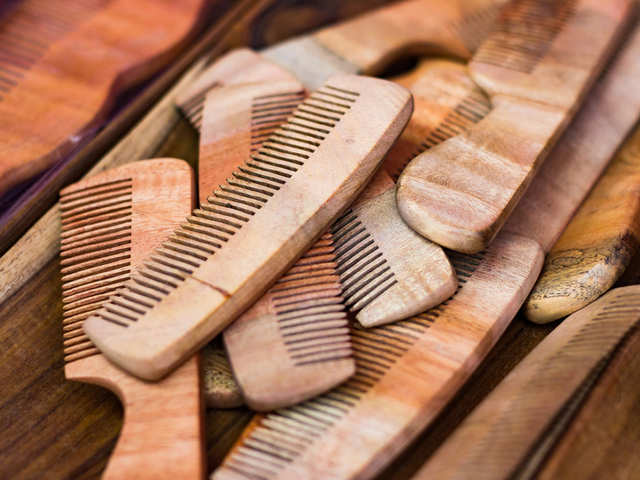
Stocking wooden combs is a smart move if you want to appeal to customers focused on natural hair care and wellness. A wooden comb is much gentler on the hair and scalp than plastic. Its smooth, rounded teeth glide through hair without causing the friction and static that lead to breakage and frizz. This makes it ideal for customers with delicate, curly, or damaged hair.
One of the biggest benefits is how a wooden comb interacts with the scalp’s natural oils. It helps distribute sebum from the roots to the ends, naturally conditioning the hair and keeping it moisturized.
This massaging action also stimulates the scalp, improving blood circulation. Better blood flow to the hair follicles can support healthier hair growth. For customers struggling with dryness or looking for a more holistic approach to their hair care routine, a wooden comb is an excellent choice.
While wooden combs offer many benefits, there are practical drawbacks for retail buyers. The most significant challenge is the cost. Since they are often handcrafted from quality natural materials, their wholesale price is much higher than that of plastic combs. This translates to a higher retail price, which may deter budget-conscious shoppers.
Availability can also be an issue. Unlike mass-produced plastic combs, finding a reliable supplier of high-quality wooden combs can be more difficult. Here are some challenges:
Higher Cost: Wooden combs are more expensive to source and sell.
Craftsmanship Varies: Quality can be inconsistent, so careful sourcing is essential.
Niche Market: They appeal to a smaller segment of your customer base.
You'll need to vet suppliers to ensure good craftsmanship, as poorly made wooden or bamboo combs can have splinters that damage hair.
For any retailer, the bottom line is crucial. The profitability of plastic versus wooden combs is quite different, and the choice depends on your business model—volume or value. Plastic combs are a high-volume, low-margin product. You sell a lot of them, but the profit on each individual unit is small. Wooden combs are the opposite: a low-volume, high-margin product.
This difference in price and margin affects your inventory strategy and overall earnings. Here’s a look at what you can expect to earn from each in the long run.
Metric | Plastic Comb | Wooden Comb |
|---|---|---|
Unit Cost | Very Low ($0.20 - $0.50) | High ($2.00 - $5.00) |
Retail Price | Low ($1.00 - $3.00) | Premium ($8.00 - $15.00) |
Profit Margin | Lower per unit, relies on volume | Higher per unit, relies on value |
Customer Target | Mass market, budget-conscious | Niche, eco/health-conscious |
If you're looking to create a unique product line for your store, plastic is the clear winner. The manufacturing process for a plastic comb makes customization easy and affordable. You can order them in virtually any color, shape, or size to match your brand's aesthetic. This flexibility is perfect for creating a private label line or adding a branded grooming kit to your offerings.
Wooden combs, on the other hand, are much harder to customize. The process is limited by the nature of the material and the craftsmanship involved. While you can get logos engraved, the core design isn't as flexible. Sourcing high-quality wooden combs for a private label requires finding skilled artisans, which can be a complex and expensive process. For retailers who prioritize branding and easy customization, plastic offers a much more straightforward path.
When it comes to sustainability, the choice is clear. Wooden combs are the more environmentally friendly option. Made from natural materials, they are biodegradable and have a much smaller environmental impact at the end of their life. If your brand values eco-consciousness, offering wooden combs aligns perfectly with that message. This is a powerful selling point for a growing number of consumers who are looking to reduce their carbon footprint.
Plastic combs, in contrast, contribute to global pollution. They are typically derived from petroleum, a non-renewable resource, and their manufacturing can release harmful pollutants. Since plastic is not biodegradable, discarded combs can sit in landfills or end up in oceans for centuries. While some plastics can be recycled, the reality is that small items like combs often are not.
So, which comb should you stock on your shelves? The answer isn't one-size-fits-all. The right comb for your store depends entirely on your target audience and your brand identity. Consider your customers: Are they looking for a quick, affordable solution, or are they invested in natural products that benefit their hair texture and scalp health?
Offering both can be a great strategy, allowing you to cater to different preferences and price points. Understanding who you are selling to will help you decide whether to focus on plastic, wood, or a combination of both.
A plastic comb is the right choice for your retail store if your primary goal is to serve a broad audience with affordable and versatile options. They are a reliable seller that appeals to the everyday consumer who needs a functional tool without a premium price tag. The variety in design also means you can offer something for everyone.
You should prioritize stocking plastic combs in your hair care section if you:
Target a mass-market audience.
Want to offer low-price-point items.
Need products suitable for use on wet hair.
Plan to create a private label line with extensive customization.
Aim for high-volume sales.
While you'll need to be mindful of quality to avoid issues like sharp teeth or poor static control, plastic remains a retail powerhouse.
A wooden comb is an excellent addition to your inventory if you cater to a more discerning, health-conscious clientele. These customers are often willing to pay more for products that offer natural benefits and align with their values. A wooden comb can be a hero product in a curated collection of natural beauty and wellness items.
You should stock wooden combs if you:
Serve a niche market focused on wellness and eco-friendly products.
Want to offer premium items that promote hair growth and scalp health.
Have customers concerned about reducing dandruff and distributing natural oils.
Aim to build a brand image around sustainability and quality.
Can command a higher price point for specialized hair care tools.
For these shoppers, the advantages for their scalp and hair far outweigh the higher cost.
While plastic combs can be a gamble on quality, sourcing from a reliable manufacturer like Vickkybeauty makes all the difference. Global retailers choose Vickkybeauty because our plastic combs are designed with both durability and hair health in mind. We focus on creating products with perfectly smooth teeth that glide through hair without snagging or causing irritation to the scalp. This attention to detail ensures a positive customer experience.
With 18+ years of injection molding experience, Vickkybeauty supports retailers with:
Annual capacity of 2 million+ combs
BSCI-certified manufacturing
PP / ABS / PE / PS material options
OEM & ODM private label services
Typical MOQ from 2,000 pcs per design
Fast sampling in 7 days
Export experience for US & Canadian chain stores
We help retailers launch scalable, compliant, and profitable plastic comb programs.
In conclusion, choosing between plastic and wooden combs for retail ultimately depends on your target market and business strategy. Plastic combs clearly dominate in terms of sales, customization options, and sustainability factors, making them a better choice for most retailers. However, wooden combs do appeal to niche markets and can be an excellent addition to your product range if positioned correctly. Understanding the unique benefits and limitations of each material will help you make informed decisions that align with your brand's values and customer preferences.
Looking for plastic combs for retail or private label programs?
Need a reliable factory for long-term wholesale supply?
Contact Vickkybeauty today to get:
Latest wholesale price list
Free material & packaging consultation
Custom sample support
Start your plastic comb sourcing with confidence.
For your hair’s health, yes. A wooden comb is gentler on the scalp and hair, reduces static, and distributes natural oils. However, a high-quality plastic comb is more affordable and convenient for a basic hair care routine, making the "better" choice dependent on personal priorities and hair type.
Yes, there is a significant price difference. A plastic comb is very inexpensive due to mass production. A wooden comb is pricier because of the natural materials, craftsmanship, and superior longevity and durability, positioning it as a premium product in the market.
Retailers should look for combs made from biodegradable materials like wood or bamboo. Check for responsible sourcing certifications and inquire about the packaging. Opting for minimal, recyclable, or compostable packaging further reduces the product's overall environmental impact and appeals to eco-conscious consumers.